





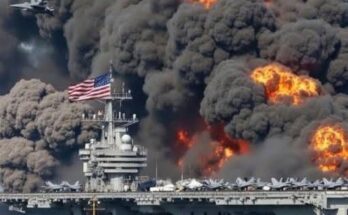
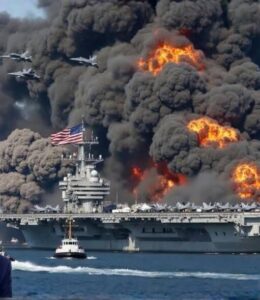
Social media platforms amplify this effect. Algorithms prioritize content that generates strong engagement, meaning dramatic or alarming claims often circulate faster than cautious or factual updates. This creates a feedback loop where unverified information can outpace responsible reporting.
Military and defense verification processes are intentionally slow and methodical. Governments must cross-check intelligence, assess security risks, and coordinate with allies before confirming any major incident. While this can delay public updates, it helps prevent misinformation from triggering unnecessary panic or diplomatic escalation.
The risks of sharing unverified claims are significant. False reports can influence financial markets, heighten international tensions, and contribute to public fear. In some cases, misinformation during geopolitical events has even complicated diplomatic efforts.
Experts in strategic studies emphasize the importance of relying on confirmed data rather than speculation. When facts are unavailable, responsible analysis focuses on uncertainty rather than drawing premature conclusions about events or capabilities.
Ultimately, the situation underscores the importance of media literacy and patience. In an environment where information spreads instantly, waiting for verified sources is essential. Prioritizing accuracy over speed helps ensure that public understanding remains grounded in reality rather than rumor.