







The Serious Consequences of Inappropriate Relationships Within Families

lines that hint at deeply inappropriate relationships within families often attract immediate attention. However, behind the shock value lies a much more serious and complex reality. Situations involving inappropriate family relationships are not simply private matters—they can lead to profound emotional, psychological, social, and legal consequences that affect everyone involved.

What may initially seem like a secret decision between two individuals can quickly escalate into a public and deeply painful crisis. Families can fracture, trust can collapse, and long-term damage may follow. The consequences of inappropriate family relationships extend far beyond the individuals directly involved, often impacting siblings, parents, extended relatives, and even the wider community.

This article explores the consequences of inappropriate family relationships from a responsible and educational perspective. By examining the emotional toll, legal implications, and long-term effects, we aim to highlight why boundaries within families are essential for healthy relationships and community well-being

Understanding the Importance of Family Boundaries
Families are built on trust, respect, and clearly defined roles. Healthy family systems depend on appropriate boundaries between relatives. These boundaries provide emotional security, protect vulnerable members, and help maintain stable relationships across generations.Buy vitamins and supplements

When boundaries are violated, confusion and emotional distress often follow. Family members may struggle to reconcile their roles with actions that conflict with social norms and ethical standards. This disruption can create a ripple effect, altering the dynamics of the entire family unit

Maintaining appropriate boundaries is not just a cultural expectation—it is a psychological safeguard. Research in family psychology consistently emphasizes that strong, respectful boundaries support emotional development, especially for younger or more vulnerable individuals.

Emotional and Psychological Consequences
One of the most immediate and lasting impacts of inappropriate family relationships is psychological distress. Individuals involved often experience intense emotions once the situation becomes clear.

Feelings of Guilt and Shame
Many people report overwhelming guilt and shame after engaging in relationships that cross established family boundaries. These emotions can lead to anxiety, depression, and social withdrawal.

Guilt may stem from recognizing the harm caused to others, while shame can be tied to fear of judgment or rejection. These feelings can persist long after the situation ends.

Long-Term Mental Health Effects
Mental health professionals note that such situations may contribute to:

Chronic stress

Emotional instability

Difficulty forming healthy future relationships

Low self-esteem

Post-traumatic stress symptoms in certain cases

When secrecy and fear dominate a situation, psychological strain can intensify. Individuals may feel isolated, believing they cannot speak openly about what has happened.

Therapy and professional counseling are often necessary to process complex emotions and rebuild a healthy sense of identity.

Impact on Family Relationships
The emotional consequences rarely affect only two people. In many cases, entire families experience disruption.

Breakdown of Trust
Trust is foundational in any family. Once violated, rebuilding it can be extremely difficult. Parents, siblings, and extended relatives may feel betrayed or confused.

The loss of trust can lead to:

Estrangement between family members

Divided loyalties

Ongoing tension during gatherings

Permanent separation in severe cases

Intergenerational Effects
Family conflicts can have lasting impacts across generations. Children who grow up in environments where boundaries are blurred may struggle to understand healthy relationship norms.

This can influence:

Future romantic relationships

Parenting styles

Personal self-worth

Attachment patterns

Family systems theory suggests that unresolved trauma can echo across generations if not addressed through communication and professional support.

Social Consequences and Public Exposure
In today’s digital age, private matters can quickly become public knowledge. Once exposed, inappropriate family relationships may attract widespread attention, sometimes resulting in public scrutiny or social stigma.

Community Reaction
Communities often respond strongly to news involving family boundary violations. Reactions can include:

Social distancing or exclusion

Judgment or gossip

Professional repercussions

The fear of community judgment may lead individuals to relocate or withdraw from social networks entirely.

Reputational Damage
Reputation can be significantly affected. Professional opportunities may be limited, and friendships may be strained. Even after legal matters are resolved, social consequences can linger.

These effects reinforce why maintaining appropriate family boundaries is not only a personal matter but also a broader social responsibility.

Legal Implications
In many countries, inappropriate family relationships are subject to strict legal regulations. Laws vary by jurisdiction, but certain types of relationships within families are prohibited due to ethical, genetic, and protective considerations.

Criminal Charges
Depending on the circumstances, legal consequences may include:

Criminal charges

Court proceedings

Fines or imprisonment

Mandatory counseling

It is important to note that laws are designed to protect vulnerable individuals and preserve societal standards of family structure.

Custody and Guardianship Issues
In cases involving minors or dependent individuals, legal authorities may intervene to ensure safety. This can result in:

Child protective investigations

Custody adjustments

Court-mandated supervision

Legal consequences often extend far beyond the immediate individuals involved, affecting extended family members and children.

Ethical and Moral Considerations
Beyond legal frameworks, ethical concerns play a central role. Families function as primary support systems, and relationships within them are built on inherent power dynamics and trust.

In situations where one individual holds greater authority—due to age, emotional influence, or dependency—questions of consent and coercion may arise.

Ethical standards exist to protect vulnerable family members and maintain stable social structures. Violating these standards often leads to lasting harm.

The Serious Consequences of Inappropriate Relationships Within Families Read More

HT2. Young woman passed away at the hands of her… See more

A complex and closely watched criminal case in Fairfax County, Virginia, is moving toward trial as the man accused of killing his wife and another individual appeared in court ahead of jury selection. The proceedings mark a significant step in a case that has drawn sustained public attention due to its intricate allegations and serious charges.

The defendant, Brendan Banfield, is scheduled to stand trial beginning next week, with jury selection expected to start first. Court officials anticipate that the trial will extend over several weeks, reflecting the volume of evidence and testimony expected to be presented.

Background of the Allegations

Brendan Banfield arrested by Fairfax County police for the double murder of his wife and another man in Reston which led to the arrest of the family's au pair September 16, 2024. (WJLA)

Prosecutors allege that the case centers on events that took place in February 2023 at a private residence in Fairfax County. According to investigators, two people were killed inside the home: Banfield’s wife, Christine Banfield, and a man identified as Joseph Ryan.

Authorities contend that the deaths were the result of a planned act rather than a spontaneous incident. The prosecution’s theory describes a sequence of actions intended to make the situation appear as though an unknown intruder was responsible.

Banfield has denied responsibility for the killings and maintains his innocence.

Pretrial Proceedings and Legal Motions

During a recent court appearance, Banfield’s defense team raised procedural concerns about how certain medical findings would be presented to the jury. Specifically, the defense requested that the word “homicide” be excluded from the autopsy report introduced at trial.

The prosecution did not object to this request, and the judge allowed the adjustment. Legal experts note that such decisions are not uncommon and are often aimed at ensuring that jurors focus on evidence rather than terminology that could be interpreted as prejudicial.

These early rulings help shape how information will be framed during the trial.

The Prosecution’s Theory of the Case

Juliana Peres Magalhães, Brendan Banfield (Fairfax County Police Department)

According to prosecutors, Banfield is accused of orchestrating an elaborate plan that resulted in the deaths of his wife and Joseph Ryan. The state alleges that the actions were motivated by a desire to begin a new life with the family’s au pair, Juliana Peres Magalhães.

Fairfax County officials have previously stated that Banfield and the au pair were involved in a romantic relationship at the time of the alleged crimes. Prosecutors argue that this relationship played a central role in the planning and execution of the events.

The defense disputes these claims and argues that Banfield was not involved in any such plan.

How Investigators Say the Events Unfolded

Investigators allege that Joseph Ryan was brought to the Banfield home under false pretenses. According to court filings, Ryan believed he was responding to online communication that did not accurately reflect who was behind it.

Prosecutors maintain that the situation was engineered to create the impression of an outside threat. They argue that this narrative was intended to mislead law enforcement in the immediate aftermath.

Defense attorneys counter that Banfield had no involvement in any online activity linked to the case and did not carry out the alleged acts.

Charges Filed Against the Defendant

Brendan Banfield faces multiple serious charges, including aggravated murder and the use of a firearm in connection with a felony. In addition, he has been charged with child abuse and neglect, as authorities state that his young daughter was present in the home at the time of the alleged incident.

Prosecutors emphasize that the presence of a child is a significant factor in the case, while defense attorneys argue that this aspect has been mischaracterized and should be carefully evaluated by the jury.

The outcome of these charges will depend on evidence presented during trial.

The Au Pair’s Role and Plea Agreement

The family’s au pair was initially charged in connection with one of the deaths. However, her legal status changed following negotiations with prosecutors.

She ultimately entered a plea agreement to a lesser charge, pleading guilty to manslaughter. As part of that agreement, she is expected to testify during Banfield’s trial.

Court records indicate that, in exchange for her testimony, she may receive credit for time already served. Prosecutors assert that her cooperation is a key component of the case, while the defense is expected to challenge her credibility.

Questions of Credibility and Testimony

Cases involving plea agreements often hinge on how jurors assess witness credibility. Legal analysts note that defense teams typically scrutinize the motivations of cooperating witnesses, particularly when reduced charges are involved.

Prosecutors argue that corroborating evidence will support the testimony presented. Defense attorneys are likely to argue that incentives tied to plea agreements can influence how events are described.

Ultimately, jurors will be tasked with weighing testimony alongside physical evidence and investigative findings.

The Defense’s Position

Banfield has consistently stated that he did not commit the crimes and was not responsible for the actions described by prosecutors. His legal team maintains that the prosecution’s narrative relies heavily on assumptions and disputed testimony.

Defense attorneys are expected to argue that the evidence does not establish guilt beyond a reasonable doubt. They may also challenge the interpretation of digital evidence and the reliability of statements made by other parties.

The trial will provide the forum for these competing narratives to be examined.

The Role of Law Enforcement and Investigation

Fairfax County law enforcement officials have characterized the investigation as thorough and methodical. Authorities have stated that evidence was collected from multiple sources, including the crime scene, digital records, and interviews.

Police leadership has previously addressed the case publicly, emphasizing their confidence in the investigative process. At the same time, they have acknowledged the complexity of the case and the importance of allowing the judicial process to unfold.

Any challenges to investigative methods are expected to be raised during trial.

Jury Selection and Trial Timeline

Jury selection is scheduled to begin next week and may take several days due to the high-profile nature of the case. Attorneys on both sides are expected to question potential jurors carefully to ensure impartiality.

Once testimony begins, the trial is expected to last approximately four weeks. This timeline reflects the number of witnesses and the volume of evidence anticipated.

The court has indicated that proceedings will follow a structured schedule to accommodate the extended duration.

Public Interest and Media Attention

The case has attracted significant media attention, both locally and nationally. Legal experts note that cases involving family members and complex personal relationships often draw heightened scrutiny.

Judges typically remind jurors to avoid media coverage and base their decisions solely on evidence presented in court. Maintaining a fair trial environment is a priority in cases of this nature.

Court officials have not indicated whether additional measures will be taken to manage public interest.

The Importance of Due Process

While the allegations are serious, legal professionals stress that the defendant is presumed innocent until proven guilty. The trial process exists to ensure that all evidence is examined in a transparent and structured manner.

Both prosecution and defense are bound by procedural rules designed to protect the integrity of the process. Verdicts must be based on facts established during trial, not on public opinion or speculation.

This principle remains central as the case moves forward.

What the Trial Will Determine

The upcoming trial will seek to answer fundamental questions about what occurred inside the Banfield home and who bears responsibility. Jurors will be asked to consider whether the prosecution has met its burden of proof on each charge.

They will also evaluate witness testimony, forensic findings, and any explanations offered by the defense.

The outcome will have lasting consequences for all parties involved.

A Case With Lasting Implications

Beyond the immediate legal stakes, the case highlights broader issues related to trust, evidence, and the complexity of criminal investigations involving close relationships.

Legal observers note that trials of this nature often prompt public reflection on how justice systems handle intricate and emotionally charged situations.

As proceedings begin, attention will remain focused on the courtroom, where the facts will be examined in detail.

Looking Ahead

With jury selection approaching, the case enters a decisive phase. Updates are expected as the trial progresses and witnesses take the stand.

For now, court officials and legal teams are preparing for what is expected to be an extensive and closely followed proceeding.

The final judgment will rest with the jury, guided by evidence, testimony, and the law.

HT2. Young woman passed away at the hands of her… See more Read More

Woman Under Investigation After Disturbing Animal Abuse Allegation Shocks Community

An unusual situation at a busy department store attracted significant attention from customers and staff during one of the busiest shopping periods of the week. The incident reportedly took place near the fitting room section, where several shoppers noticed raised voices and unusual activity that appeared out of the ordinary for the normally calm retail environment.

According to witnesses, store employees became concerned after receiving complaints from customers who were waiting nearby. Several people reported hearing sounds coming from one of the fitting rooms, prompting staff members to investigate whether assistance was needed or whether a disturbance was taking place.

Discover more
Native American History
Movies
Indigenous Artistry Products

The woman involved, described by locals as an active member of her community, had entered the fitting area carrying several clothing items. Witnesses stated that a man who appeared to know her entered the area shortly afterward. While reports from those present varied, the activity reportedly caused enough concern that store management decided to intervene.

Employees approached the fitting room and requested that the occupants come out so the situation could be clarified. By that time, a crowd of curious shoppers had gathered nearby, many attempting to understand what was happening. Store management worked to maintain order and prevent further disruption.

As details of the event began circulating on social media, numerous versions of the story emerged online. Some posts exaggerated the circumstances, while others shared unverified claims that could not be independently confirmed. Retail representatives later urged the public to avoid spreading rumors and to rely on verified information.

Store officials stated that customer safety and comfort remain their highest priorities. Although the incident briefly disrupted normal operations, the store resumed regular business shortly afterward. No serious injuries were reported, and authorities indicated that they would review any relevant information before determining whether additional action was necessary.

Discover more
Native Prom Accessories
political
Cultural Knowledge Resources

The event has since sparked discussion online regarding privacy in public spaces, responsible use of social media, and the speed at which unverified stories can spread across the internet. Investigators continue to encourage witnesses to provide factual accounts while avoiding speculation.

As store security reviewed surveillance footage, managers worked to separate facts from speculation. Several customers who witnessed parts of the incident were interviewed, while others provided statements describing confusion and concern among shoppers. Employees emphasized that maintaining a safe and respectful environment for all visitors remained their top priority.

Within hours, news of the event spread rapidly across social media platforms. Videos recorded by customers accumulated thousands of views, with many users debating what had actually occurred. Some online commentators criticized the rush to judgment, while others called for stricter enforcement of store policies regarding fitting-room access.

Retail industry experts noted that incidents attracting public attention can quickly become distorted once shared online. They warned that viral stories often evolve beyond the facts originally reported, making it difficult for the public to distinguish verified information from rumor.

Discover more
Native American Rights
Native American Identity
politics

Meanwhile, the woman at the center of the controversy declined to speak publicly. Individuals familiar with her described her as surprised by the level of attention the incident received. Friends reportedly urged people to wait for official findings before drawing conclusions.

Local authorities confirmed that they had received reports related to the disturbance but stressed that an investigation was still in its early stages. Officials stated that no final determination had been made regarding whether any laws had been broken. They encouraged witnesses to provide accurate information rather than relying on social media speculation.

The department store later released a brief statement thanking customers for their patience and cooperation. Management reiterated its commitment to customer safety and announced that staff would receive additional training on handling unusual situations in crowded retail environments.

As discussions continued online, the incident became a reminder of how quickly a single event can capture public attention. What began as a disruption inside a fitting-room area soon turned into a widely discussed story, drawing reactions from people far beyond the local community.

Discover more
Indigenous Community Support
Politics
Traditional Craft Workshops

In the days that followed, interest in the case remained high, with many awaiting official updates. Whether the story ultimately proves to be less dramatic than early reports suggested or reveals additional details, it has already demonstrated the powerful role social media plays in shaping public perception of unfolding events.

By the end of the week, the story had become one of the most discussed topics in the area. Local residents expressed mixed reactions, with some arguing that the public response had become excessive, while others insisted that unusual incidents in public spaces deserved attention and transparency.

Several shoppers who were present that day later spoke to reporters, describing the atmosphere as chaotic. According to their accounts, confusion spread quickly as different versions of the event circulated among customers. What one person claimed to have witnessed often differed from another’s recollection, adding to the uncertainty surrounding the incident.

Experts in public relations noted that once a story gains traction online, controlling misinformation becomes extremely difficult. In many cases, they explained, public opinion forms long before official facts are available. This can create lasting consequences for the individuals involved, regardless of the eventual outcome of any investigation.

Discover more
Native Youth Empowerment
Cultural Storytelling Services
Political

Store representatives declined to comment further but confirmed that internal reviews had been completed. Security procedures were examined, and management indicated that no significant policy violations by employees had been discovered during the review process.

Meanwhile, online interest continued to grow. Discussion forums, community groups, and social media pages were flooded with theories, opinions, and speculation. Some posts claimed to have insider knowledge of what happened, though none of those claims were independently verified.

Months later, many people still remembered the incident, not necessarily because of what occurred, but because of how rapidly the story spread. The event became an example frequently cited by observers studying the influence of viral content and the speed at which local incidents can become national conversations.

While questions remained unanswered for some members of the public, authorities ultimately emphasized the importance of relying on verified information rather than rumors. They reminded citizens that investigations are intended to establish facts and that assumptions made before evidence is reviewed can often lead to misunderstanding.

Discover more
Heritage Fashion Lines
Cultural Preservation Programs
Indigenous Women’s Fashion

In the end, what started as an ordinary shopping day transformed into a widely discussed controversy—one that highlighted the intersection of privacy, public curiosity, and the immense reach of social media in the modern age.

As media attention intensified, reporters began examining the background of everyone connected to the incident. Neighbors described the woman as someone who had lived in the community for years and regularly participated in local activities. Many expressed surprise that her name had become associated with a story attracting so much public attention.

The man reportedly seen entering the fitting-room area also became the subject of speculation. Despite numerous claims circulating online, authorities declined to identify him or discuss his possible connection to the event. Officials repeatedly emphasized that public assumptions should not be treated as established facts.

Over the following days, journalists attempted to piece together a timeline of events. According to witness accounts, the unusual activity lasted only a short period before employees intervened. However, because multiple people recorded portions of the aftermath rather than the incident itself, questions remained about what exactly had taken place.

Discover more
Native American Education
Boarding School History
Indigenous Prom Dresses

The growing attention led to unexpected consequences. Businesses near the department store reported increased curiosity from visitors who had heard about the viral story. Some people traveled to the area simply to see the location where the incident allegedly occurred.

Legal analysts following the case noted that viral incidents often create challenges for investigators. Once information spreads online, separating genuine evidence from rumors becomes increasingly difficult. They warned that inaccurate posts can sometimes influence public opinion more strongly than verified reports.

Meanwhile, community leaders urged residents to remain respectful. They encouraged people to avoid harassment, online bullying, and the sharing of personal information related to anyone connected with the story. Several organizations released statements highlighting the importance of privacy and due process.

As weeks passed, interest in the incident gradually began to fade. New stories replaced it in the news cycle, and public attention shifted elsewhere. Nevertheless, the event remained a topic of conversation among those who had witnessed it firsthand.

Discover more
Cultural Genocide Awareness
Native American Dresses
Indigenous Cultural Events

Years later, some residents would still remember the strange afternoon when an ordinary shopping trip unexpectedly became the center of widespread discussion. What truly happened behind the fitting-room door may never be fully known to the public, but the incident continued to serve as a reminder of how quickly a local event can become a viral phenomenon in the digital age.

Despite the declining media coverage, the incident continued to generate discussion in online communities. New users who encountered fragments of the story often revived interest by sharing screenshots, clips, and secondhand accounts. Each repost introduced fresh speculation, causing the story to take on a life of its own.

Former employees of the store later spoke anonymously about the challenges of handling unexpected situations in a crowded retail environment. They explained that staff members are trained to respond quickly whenever customer complaints arise, particularly when disturbances occur in private areas such as fitting rooms.

According to several accounts, the most difficult part of the incident was not the event itself but the reaction that followed. Within minutes, mobile phones were recording, photos were circulating, and rumors were spreading faster than employees could respond. By the time official statements were issued, countless versions of the story were already being discussed online.

Observers noted that the situation reflected a broader trend in modern society. A single unusual moment, captured and shared by strangers, can instantly become international news. The individuals involved often find themselves at the center of public attention before they have an opportunity to explain their side of the story.

As interest continued, independent bloggers and content creators began producing videos analyzing every available detail. Some attempted to reconstruct the timeline, while others focused on the social and cultural issues raised by the incident. Their content attracted millions of views and extended the story’s lifespan far beyond what anyone initially expected.

Modern Cultural Blend

The department store eventually completed renovations in the area where the incident allegedly occurred. Although management insisted the changes were part of a previously scheduled update, some customers viewed the decision as an effort to move beyond the controversy and restore the store’s reputation.

Years later, the incident remained a curious footnote in local history. While many facts were forgotten, people still recalled the extraordinary level of attention generated by what had started as a seemingly ordinary afternoon. The story became an example of how public curiosity, technology, and social media can transform a brief moment into a lasting cultural phenomenon.

In the end, the event was remembered less for its specific details and more for the way it captured the imagination of the public. It demonstrated how quickly narratives can form, evolve, and spread—and how difficult it can be to separate fact from fiction once a story becomes part of the internet’s collective memory.

Despite the declining media coverage, the incident continued to generate discussion in online communities. New users who encountered fragments of the story often revived interest by sharing screenshots, clips, and secondhand accounts. Each repost introduced fresh speculation, causing the story to take on a life of its own.

Former employees of the store later spoke anonymously about the challenges of handling unexpected situations in a crowded retail environment. They explained that staff members are trained to respond quickly whenever customer complaints arise, particularly when disturbances occur in private areas such as fitting rooms.

According to several accounts, the most difficult part of the incident was not the event itself but the reaction that followed. Within minutes, mobile phones were recording, photos were circulating, and rumors were spreading faster than employees could respond. By the time official statements were issued, countless versions of the story were already being discussed online.

Observers noted that the situation reflected a broader trend in modern society. A single unusual moment, captured and shared by strangers, can instantly become international news. The individuals involved often find themselves at the center of public attention before they have an opportunity to explain their side of the story.

As interest continued, independent bloggers and content creators began producing videos analyzing every available detail. Some attempted to reconstruct the timeline, while others focused on the social and cultural issues raised by the incident. Their content attracted millions of views and extended the story’s lifespan far beyond what anyone initially expected.

The department store eventually completed renovations in the area where the incident allegedly occurred. Although management insisted the changes were part of a previously scheduled update, some customers viewed the decision as an effort to move beyond the controversy and restore the store’s reputation.

Years later, the incident remained a curious footnote in local history. While many facts were forgotten, people still recalled the extraordinary level of attention generated by what had started as a seemingly ordinary afternoon. The story became an example of how public curiosity, technology, and social media can transform a brief moment into a lasting cultural phenomenon.

Modern Cultural Blend

In the end, the event was remembered less for its specific details and more for the way it captured the imagination of the public. It demonstrated how quickly narratives can form, evolve, and spread—and how difficult it can be to separate fact from fiction once a story becomes part of the internet’s collective memory.

As time passed, the incident became a recurring reference point in discussions about viral culture. It was frequently mentioned in articles, podcasts, and online debates about how quickly public perception can form without complete information. The case was no longer about the original moment, but about the way it had been interpreted and reshaped by thousands of people.

In academic circles, researchers analyzed how fragmented information contributed to the story’s longevity. They pointed out that each new retelling added slight variations, creating a layered narrative where fact and speculation became increasingly difficult to separate. The incident was often used in lectures about media literacy and digital behavior.

Meanwhile, in the local community, life moved on. The department store remained open and busy, serving thousands of customers each week. For most people, the event became little more than a distant memory, occasionally mentioned in passing conversations but no longer a topic of concern.

However, online archives ensured that the story never fully disappeared. Old posts, comments, and discussions remained accessible, allowing new audiences to discover the incident long after it had faded from current news. Each rediscovery brought fresh interpretations and renewed curiosity.

Over time, the people originally connected to the event were rarely mentioned by name. The narrative had detached itself from individuals and evolved into a broader symbol of how quickly attention can escalate in the digital era. It became less about what happened in the fitting-room area and more about how society reacts to uncertainty.

Journalists reflecting on the case years later described it as a turning point in understanding viral dynamics. They noted that similar stories in the future often followed the same pattern: a brief moment, rapid online spread, intense speculation, and eventual decline into obscurity.

Still, the incident occasionally resurfaced whenever a new controversial clip went viral. People would draw comparisons, using it as an example of how easily narratives can spiral beyond control. In that sense, the story continued to live on—not as a single event, but as a template for countless others.

And even though no new information ever truly changed what was known, the discussion itself never fully ended. It simply transformed, adapted, and reappeared whenever the internet found another mystery to question.

Even years after the incident had faded from active discussion, it occasionally resurfaced whenever new viral controversies emerged online. People would reference it as an early example of how quickly misinformation and speculation can spiral out of control, often without any clear foundation.

Writers and commentators used the story to illustrate the fragile line between reality and perception in the digital age. They explained how a single unclear moment, once shared publicly, can be reshaped countless times until the original truth becomes almost unrecognizable.

In the end, the most lasting impact of the incident was not the event itself, but the lesson it left behind. It showed how easily attention can spread, how quickly narratives can grow beyond their origin, and how the internet can turn even the smallest spark into a long-lasting digital phenomenon.

For those who remembered it, the story remained a strange reminder of how unpredictable online culture can be. And for everyone else, it simply became one more entry in the endless stream of viral moments that define the modern internet era.

Modern Cultural Blend

Looking back, the incident has almost completely blended into the vast stream of online content that circulates every day. What once felt like a major viral moment is now just another example of how quickly attention can rise and disappear in the digital world.

Yet, its legacy still quietly remains in discussions about media responsibility and online behavior. People continue to use it as a reminder that not everything seen or shared online reflects the full truth of a situation.

In the end, the story serves less as a record of what happened and more as a reflection of how modern audiences consume, interpret, and spread information. And while the original event may never be fully understood by the public, its impact on conversations about digital culture is still felt today.

Ultimately, the incident became less about the original event and more about the way information travels in the modern world. It highlighted how quickly a moment can be amplified, interpreted, and reshaped by thousands of people who were never present but still feel connected to the story through screens.

For some, it served as a cautionary tale about jumping to conclusions without verified facts. For others, it became an example of how online communities can sustain a story long after its relevance in real life has faded.

As new viral moments continue to emerge every day, the memory of this incident quietly remains in the background—no longer at the center of attention, but still occasionally referenced whenever discussions arise about truth, perception, and the speed of the internet.

And in that sense, the story never truly ends. It simply gets absorbed into the ever-growing archive of digital culture, waiting to be rediscovered again by someone scrolling far enough back.

Woman Under Investigation After Disturbing Animal Abuse Allegation Shocks Community Read More

After 100 Failed Arrest Attempts, One Unusual Request Changed Everything

After 100 Failed Arrest Attempts, One Unusual Request Changed Everything

on After 100 Failed Arrest Attempts, One Unusual Request Changed Everything

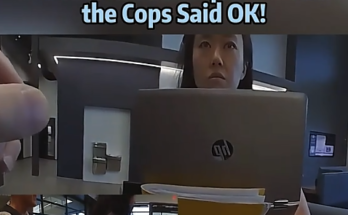
On August 5 an incident unfolded inside the police station in Mount Prospect, Illinois, after a 35-year-old woman, identified as Miss Kui, arrived at the department seeking help with what she described as harassment from her ex-boyfriend. According to the account, she wanted to file a police report and request a restraining order against him. What began as a request for assistance quickly became a tense confrontation between Miss Kui and the officers working at the front desk, eventually ending with her arrest inside the station lobby.

Miss Kui’s visit to the police department appeared to be connected to a long-running conflict between her and her former partner. She told officers that she was being harassed and claimed she had phone records from T-Mobile that could support her allegations. She believed those records would help prove her case and justify a restraining order. However, the officers did not immediately accept her request. Their refusal was based on the fact that her ex-boyfriend had previously obtained a restraining order against her in March 2021. That order legally prohibited her from contacting or harassing him, which complicated her attempt to file a new complaint against him.

From the officers’ point of view, the situation had already been addressed through the earlier restraining order. They appeared to believe that Miss Kui was attempting to reopen a matter that had already gone through the legal system. Miss Kui, however, strongly disagreed. She insisted that she still had the right to file a report as a civilian and that the police were obligated to document her complaint. The disagreement between her and the desk officer became the center of the conflict.

The situation became more complicated because Miss Kui had reportedly tried to get the previous restraining order lifted. Once that order was revoked, she immediately attempted to pursue a new order against her ex-boyfriend. To the officers, this raised concerns that she was continuing a personal dispute through repeated police involvement. The desk officer told her that he did not believe there was enough information to take a report, especially since she did not have the T-Mobile phone records with her at the time. Miss Kui continued to argue that the records existed and that she should still be allowed to file a case.

As the conversation continued, Miss Kui became increasingly frustrated. She felt she was being denied access to a basic legal process, while the officers felt she was refusing to accept their explanation. She remained in the lobby and repeatedly demanded that a report be taken. The officers told her that she was allowed to stay in the public lobby, but they warned her that she could not disrupt station operations or misuse public resources. They explained that if her behavior continued in the same way, she could be arrested.

Despite the warning, Miss Kui refused to leave. She continued to insist that she had a right to file her complaint and challenged the officers’ decision. The exchange became more heated when an officer directly told her that she could be arrested if she continued. Instead of backing down, Miss Kui responded by challenging the officer, saying, “Okay, let’s put me under arrest.” At first, the officer told her that he was not arresting her. However, moments later, the situation changed. The officer decided to place her under arrest

When the officer moved to arrest her, Miss Kui reacted loudly and emotionally. She began screaming as officers placed her in handcuffs. What had started as an attempt to report harassment had turned into a confrontation over whether she was entitled to file a report and whether her continued presence in the lobby had crossed the line into disorderly or disruptive behavior.

Security Products & Services

The incident shows how quickly a disagreement inside a police station can escalate when both sides believe they are standing on firm ground. Miss Kui believed she was exercising her civilian right to report harassment and seek protection. The officers believed they had already reviewed the matter and had the authority to refuse a report they considered unsupported or repetitive. Once Miss Kui refused to leave and continued pressing the issue after multiple warnings, the encounter shifted from a complaint at the front desk to an arrest.

The case also highlights the emotional strain that can come with disputes involving former partners, restraining orders, and repeated contact with law enforcement. For someone seeking protection, being turned away can feel like being ignored or denied help. For officers, repeated attempts to file claims connected to the same conflict may appear like an improper use of police resources, especially when court orders have already existed between the people involved.

By the end of the encounter, Miss Kui did not receive the report or restraining order she had come to request. Instead, her refusal to leave the station lobby and her continued confrontation with officers led to her being handcuffed and taken into custody. The incident remains a tense example of how legal disputes, personal conflict, and police discretion can collide in a public setting.

What makes the incident especially notable is that it did not happen on the street, during a traffic stop, or in the middle of an active emergency call. It happened inside a police station, a place where people often go because they believe it is the safest and most direct way to ask for help. Miss Kui appeared to enter the building expecting that her complaint would at least be formally recorded. Instead, she found herself being questioned about the history of the dispute, the previous restraining order, and the evidence she claimed to have but did not physically present at that moment. That difference in expectations shaped the entire encounter.

From Miss Kui’s perspective, the fact that there had been a previous restraining order against her did not erase her belief that she was now the one being harassed. She seemed to view the earlier order as a separate issue, something that had existed in the past and should not prevent her from seeking protection in the present. In her mind, if she had information showing unwanted contact or harassment, then the police should take that information seriously. Her repeated statements about her right to file a case suggest that she felt the officers were blocking her from using the system in the way any other citizen could.

The officers, however, appeared to see the situation through the longer history between the two people. They were not only responding to the words Miss Kui said in the lobby. They were also considering the prior restraining order, her attempts to have it lifted, and the timing of her new request once that order was revoked. To them, the situation may have looked less like a new emergency and more like a continuation of an unresolved personal conflict. That does not mean Miss Kui’s feelings were not real, but it helps explain why the officers were hesitant to open a new report without seeing the records she mentioned.

The disagreement over the T-Mobile records became an important part of the exchange. Miss Kui claimed that those records supported her complaint, but the officer pointed out that she did not have them available. In many police reports, documentation such as phone logs, messages, screenshots, or call records can help establish whether a complaint has enough detail to be investigated. Without those records in front of him, the officer did not appear willing to move forward. Miss Kui, on the other hand, seemed to believe that her verbal statement should have been enough to begin the process and that she could provide the records later.

As the conversation continued, it became less about the original harassment claim and more about control of the situation inside the lobby. Miss Kui wanted the officer to acknowledge her complaint and begin a report. The officer wanted her to accept that he was not going to do so under those circumstances. Neither side seemed willing to give in. Every time the officer explained that he would not take the report, Miss Kui returned to the idea that she had a right to file one. Every time she insisted, the officer appeared to become more firm in his refusal.

This type of standoff can become difficult because both sides may believe they are following the rules. A person entering a police station may believe that the police must document any complaint brought to them. Officers may believe they have discretion when deciding whether a situation requires a report, a warning, a referral to court, or no action at all. When those beliefs clash, the conversation can quickly become tense, especially if the person seeking help feels dismissed and the officer feels challenged.

Miss Kui’s refusal to leave became the turning point. The officers did not immediately arrest her simply for coming to the station or for asking to file a report. They told her she could remain in the lobby, but they also placed limits on her behavior. They warned her that if she continued to disrupt the station or misuse public resources, she could face arrest. That warning changed the tone of the encounter. The issue was no longer only whether she could file a report. It was now also whether her continued insistence was becoming a disturbance.

For Miss Kui, being told that she was misusing public resources likely felt insulting. She had come to the police station because she believed she needed help. To hear that her request was being treated as a misuse of time or resources may have made her more upset. That reaction is understandable on a human level, especially in a situation involving an ex-partner, restraining orders, and claims of harassment. Still, the officers were making it clear that they believed the conversation had reached its limit.

The moment when she said, “Okay, let’s put me under arrest,” became one of the most important parts of the incident. It was a direct challenge, and it placed the officer in a position where he had to decide whether to follow through on the warning or step back. At first, he told her that he was not arresting her, which suggests that even then, he may not have intended to take her into custody. But after the exchange continued, he changed his decision. Within moments, the encounter moved from argument to physical arrest.

Her reaction to being handcuffed showed how emotionally charged the situation had become. She began to scream, and the arrest created a much more dramatic scene than the original complaint at the front desk. For anyone watching, the shift may have seemed sudden: one moment she was arguing about filing a report, and the next she was being placed in handcuffs. But from the officers’ view, the arrest was likely the result of the repeated warnings, her refusal to leave, and her continued confrontation after being told what could happen.

Security Products & Services

The incident raises questions about how police departments handle people who arrive at the station upset, angry, or desperate to be heard. A station lobby is a public-facing space, but it is also part of a law enforcement facility where officers expect order and control. People who enter that space may be under stress, especially if they are dealing with domestic conflict, harassment claims, or court orders. Officers must balance listening to complaints with preventing the lobby from becoming disruptive. That balance can be difficult, and in this case, it failed to produce a calm resolution.

It also raises questions about communication. The officer may have believed he had clearly explained why he was not taking the report, but Miss Kui did not accept that explanation. Miss Kui may have believed she was clearly asserting her rights, but the officers interpreted her behavior as disruptive. The more each side repeated its position, the less productive the conversation became. Instead of moving toward a solution, both sides became more locked into their own view of the situation.

One possible alternative might have been for the officers to explain exactly what documentation Miss Kui needed to bring back and where she could go to request a restraining order through the court. Another possible approach could have been to offer a written note or incident number showing that she had come to the station, even if a full report was not opened. However, based on the description, the conversation had already become tense by the time the warnings were given. Once emotions escalated, practical options became harder to discuss.

At the same time, Miss Kui’s decision to remain in the lobby after being warned also played a major role. Even when someone believes they are right, refusing to leave a police station after officers have clearly warned of arrest can create serious consequences. The officers did not have to agree with her complaint in order to enforce rules about behavior inside the building. By continuing to challenge them, she gave the officers a reason to treat the situation as more than a disagreement.

The case is a reminder that restraining order disputes can be legally and emotionally complicated. A restraining order is not just a personal disagreement written on paper; it is a court order that affects what people can say, where they can go, and how they can interact. When both people in a former relationship accuse each other of harassment or wrongdoing, the situation can become even more complicated. Police officers may be cautious about taking new reports if they believe the claims are part of an ongoing conflict rather than a separate incident.

Still, the public may view the arrest in different ways. Some may feel that Miss Kui should have been allowed to file a report, even if the officers doubted whether it would lead anywhere. Others may believe the officers were justified because she refused to leave and continued to argue after being warned. Both reactions come from different concerns: one focuses on access to police services, and the other focuses on maintaining order and preventing repeated misuse of public resources.

The most troubling part of the situation is how quickly a request for help turned into an arrest. Miss Kui entered the station because she wanted protection from someone she said was harassing her. By the end, she was the one in custody. That contrast makes the incident feel especially tense. It shows how a person’s frustration, an officer’s discretion, and a history of legal conflict can combine in a way that leaves everyone worse off than when the conversation began.

In the broader sense, the incident reflects a common problem in police interactions: the difference between being heard and getting the outcome someone wants. Miss Kui may have felt that the officers were not listening because they would not take the report. The officers may have felt that they had listened but had decided the matter did not justify a new report at that time. Those two things can feel very different to the person standing at the counter. Being told “no” inside a police station can feel like being denied justice, even when officers believe they are following procedure.

The arrest also shows the power of words during a tense encounter. When Miss Kui challenged the officer to arrest her, she may have been expressing frustration rather than truly wanting to be taken into custody. But in a police setting, words like that can carry consequences. Officers may interpret such statements as defiance, especially after warnings have already been issued. Once the officer decided to act, there was little room left for negotiation.

After she was handcuffed, the original issue of harassment was pushed completely into the background. The focus shifted to her behavior in the station, the refusal to leave, and the officers’ decision to arrest her. This is often what happens when an encounter escalates. The first reason a person contacts police can become secondary if the interaction itself becomes confrontational. In Miss Kui’s case, her attempt to create a record against her ex-boyfriend was overshadowed by the events that unfolded in the lobby.

Security Products & Services

The incident does not offer a simple lesson with one clear side being entirely right and the other entirely wrong. Instead, it shows a messy conflict where legal history, personal emotion, police judgment, and communication all collided. Miss Kui believed she had a right to make a complaint. The officers believed they had reason to refuse and later reason to remove her. The result was an arrest that likely could have been avoided if the conversation had taken a different turn earlier.

In the end, the Mount Prospect incident stands as an example of how fragile police station encounters can be when someone arrives already upset and officers are unwilling to take the requested action. It demonstrates the importance of clear explanations, calm communication, and understanding the limits of what police can and will do in civil or domestic disputes. It also shows that once warnings of arrest are given, continuing to argue can quickly change the situation from a complaint into a criminal matter.

For Miss Kui, the day ended very differently than she likely expected. She walked into the station seeking a report and a restraining order. She left in handcuffs after refusing to accept the officers’ decision and continuing the confrontation. For the officers, the incident may have been seen as an example of someone refusing to leave after being warned. For viewers, it remains a tense and uncomfortable case that raises questions about rights, discretion, and how far a person can push a complaint before police decide the complaint itself is no longer the main issue.

Another important detail is that the incident shows how difficult it can be for an ordinary person to understand where police authority ends and court authority begins. Miss Kui appeared to believe the police station was the correct place to request immediate protection, while the officers seemed to treat the restraining order issue as something that belonged more properly in court. That gap in understanding helped fuel the disagreement. When someone feels unsafe or harassed, they may not separate the process into police reports, evidence requirements, court petitions, and legal standards. They may simply expect someone in authority to listen and take action.

At the same time, officers working at the front desk often deal with repeated complaints, emotional disputes, and situations where people want legal outcomes that police cannot directly provide. That does not make the person’s concerns meaningless, but it can affect how officers respond. In this case, once the officer decided that no new report would be taken, the conversation needed a calm exit point. Instead, both sides stayed in the conflict until the only remaining outcome was enforcement. The arrest became the final answer to a conversation that had lost any chance of being resolved peacefully in the lobby.

After 100 Failed Arrest Attempts, One Unusual Request Changed Everything Read More

Ex🥰😊Look what you lost, Stallone! This is how the actor’s ex-wife Bridget Nielson looks and lives today

🥰>Look what you lost, Stallone! This is how the actor’s ex-wife Bridget Nielson looks and lives today



Brigitte Nielsen, once known for her high-profile marriage to Sylvester Stallone, has reemerged in the public eye for far more inspiring reasons. At 60, the actress, model, and television personality is being celebrated for her confidence, grace, and authenticity. Her recent photos on social media have resonated with fans who see her as a symbol of resilience and the beauty of aging with self-assurance rather than fear.

Nielsen first rose to fame in the 1980s with roles in Red Sonja and Rocky IV, quickly becoming an international star. Her marriage to Stallone made her one of Hollywood’s most photographed figures, but the relationship ended after two years, drawing intense media attention. Despite the scrutiny, she continued to build her own career, refusing to let her personal life define her professional identity.

Following her acting success, Nielsen expanded into modeling and television, appearing in various European programs. Her 2018 return to Hollywood in Creed II was both nostalgic and meaningful, as she reprised her role as Ludmilla Drago. She described the experience as a professional and emotional full circle, expressing gratitude for the opportunity to revisit an iconic chapter of her career.

Throughout her journey, Nielsen has been candid about her struggles and personal growth. In a 2014 interview with Oprah Winfrey, she reflected on her battles with fame and self-doubt, emphasizing the strength that comes from acknowledging one’s mistakes. Her honesty inspired many who admired her willingness to reinvent herself.

Her personal life also reflects transformation. Nielsen, a mother of five, welcomed her youngest daughter, Frida, at age 54, describing motherhood later in life as both challenging and deeply fulfilling.

Today, Nielsen’s story represents empowerment through self-acceptance. She reminds audiences that true beauty and vitality come from confidence, courage, and embracing every stage of life.

Ex🥰😊Look what you lost, Stallone! This is how the actor’s ex-wife Bridget Nielson looks and lives today Read More

Ex🥰😊Look what you lost, Stallone! This is how the actor’s ex-wife Bridget Nielson looks and lives today

🥰>Look what you lost, Stallone! This is how the actor’s ex-wife Bridget Nielson looks and lives today

Brigitte Nielsen, once known for her high-profile marriage to Sylvester Stallone, has reemerged in the public eye for far more inspiring reasons. At 60, the actress, model, and television personality is being celebrated for her confidence, grace, and authenticity. Her recent photos on social media have resonated with fans who see her as a symbol of resilience and the beauty of aging with self-assurance rather than fear.

Nielsen first rose to fame in the 1980s with roles in Red Sonja and Rocky IV, quickly becoming an international star. Her marriage to Stallone made her one of Hollywood’s most photographed figures, but the relationship ended after two years, drawing intense media attention. Despite the scrutiny, she continued to build her own career, refusing to let her personal life define her professional identity.

Following her acting success, Nielsen expanded into modeling and television, appearing in various European programs. Her 2018 return to Hollywood in Creed II was both nostalgic and meaningful, as she reprised her role as Ludmilla Drago. She described the experience as a professional and emotional full circle, expressing gratitude for the opportunity to revisit an iconic chapter of her career.

Throughout her journey, Nielsen has been candid about her struggles and personal growth. In a 2014 interview with Oprah Winfrey, she reflected on her battles with fame and self-doubt, emphasizing the strength that comes from acknowledging one’s mistakes. Her honesty inspired many who admired her willingness to reinvent herself.

Her personal life also reflects transformation. Nielsen, a mother of five, welcomed her youngest daughter, Frida, at age 54, describing motherhood later in life as both challenging and deeply fulfilling.

Today, Nielsen’s story represents empowerment through self-acceptance. She reminds audiences that true beauty and vitality come from confidence, courage, and embracing every stage of life.

Ex🥰😊Look what you lost, Stallone! This is how the actor’s ex-wife Bridget Nielson looks and lives today Read More

😭#Johnny Carson Once Asked the Audience if Anybody Played the Piano. This Man Raised His Hand, and His Life Was Forever Changed. #JohnnyCarson

Life is filled with unexpected twists and turns, and for David Tolley, a single moment altered the trajectory of his entire life. Back in December 19, 1985, he found himself in the studio audience for The Tonight Show, hosted by Johnny Carson, when something completely unexpected took place. Carson shared the unfortunate news that the planned guest, a talented classical pianist named Horatio Gutierrez, had suffered an injury to his hand, rendering him unable to perform. In a seamless transition, Carson asked if there was anyone in the audience with piano-playing skills.



Tolley, a passionate piano player since childhood, eagerly offered to help. He stepped onto the stage and delivered a captivating rendition of “Memory” from the beloved musical Cats. His spontaneous performance garnered a standing ovation from the audience and catapulted him to a new level of recognition.

After the show, Tolley’s phone was constantly ringing. He was flooded with calls from people offering him exciting opportunities, such as gigs on cruise ships and acting roles in movies. His life took a dramatic turn after an unexpected meeting on a late-night talk show.

David Tolley’s journey from an audience member to a celebrated performer serves as a powerful lesson in the importance of being ready to embrace the unexpected. Life can pivot on a dime, and it is crucial to remain open to new experiences and challenges. His story is not just about talent; it emphasizes the need for couragepreparedness, and the willingness to step out of one’s comfort zone. In a world where the unexpected can lead to incredible opportunities, Tolley’s tale encourages us all to be vigilant and ready to seize the moment whenever it presents itself. His message resonates deeply, reminding us that while we cannot control everything, we can control how we respond to the challenges and opportunities life throws our way.As Tolley navigated this new chapter, he was determined not to let the whirlwind of fame sweep him away. He focused on honing his craft, seeking out new musical styles, and collaborating with other artists. The vibrant world of music and performance opened up to him in ways he had never imagined. Each performance became an opportunity to connect with audiences and share his story through the universal language of music. He began experimenting with different genres, from classical to contemporary, blending his background with innovative approaches. This creative exploration not only enriched his artistic portfolio but also allowed him to reach diverse audiences, expanding his fan base beyond what he had ever thought possible.


😭#Johnny Carson Once Asked the Audience if Anybody Played the Piano. This Man Raised His Hand, and His Life Was Forever Changed. #JohnnyCarson Read More

😭#Johnny Carson Once Asked the Audience if Anybody Played the Piano. This Man Raised His Hand, and His Life Was Forever Changed. #JohnnyCarson

Life is filled with unexpected twists and turns, and for David Tolley, a single moment altered the trajectory of his entire life. Back in December 19, 1985, he found himself in the studio audience for The Tonight Show, hosted by Johnny Carson, when something completely unexpected took place. Carson shared the unfortunate news that the planned guest, a talented classical pianist named Horatio Gutierrez, had suffered an injury to his hand, rendering him unable to perform. In a seamless transition, Carson asked if there was anyone in the audience with piano-playing skills.

Tolley, a passionate piano player since childhood, eagerly offered to help. He stepped onto the stage and delivered a captivating rendition of “Memory” from the beloved musical Cats. His spontaneous performance garnered a standing ovation from the audience and catapulted him to a new level of recognition.

After the show, Tolley’s phone was constantly ringing. He was flooded with calls from people offering him exciting opportunities, such as gigs on cruise ships and acting roles in movies. His life took a dramatic turn after an unexpected meeting on a late-night talk show.

David Tolley’s journey from an audience member to a celebrated performer serves as a powerful lesson in the importance of being ready to embrace the unexpected. Life can pivot on a dime, and it is crucial to remain open to new experiences and challenges. His story is not just about talent; it emphasizes the need for couragepreparedness, and the willingness to step out of one’s comfort zone. In a world where the unexpected can lead to incredible opportunities, Tolley’s tale encourages us all to be vigilant and ready to seize the moment whenever it presents itself. His message resonates deeply, reminding us that while we cannot control everything, we can control how we respond to the challenges and opportunities life throws our way.As Tolley navigated this new chapter, he was determined not to let the whirlwind of fame sweep him away. He focused on honing his craft, seeking out new musical styles, and collaborating with other artists. The vibrant world of music and performance opened up to him in ways he had never imagined. Each performance became an opportunity to connect with audiences and share his story through the universal language of music. He began experimenting with different genres, from classical to contemporary, blending his background with innovative approaches. This creative exploration not only enriched his artistic portfolio but also allowed him to reach diverse audiences, expanding his fan base beyond what he had ever thought possible.


😭#Johnny Carson Once Asked the Audience if Anybody Played the Piano. This Man Raised His Hand, and His Life Was Forever Changed. #JohnnyCarson Read More

20 minutes ago in Los Angeles, Will Smith has been confirmed as….See more

Only minutes ago in Los Angeles, the name Will Smith once again surged across social media and entertainment news feeds, instantly capturing global attention. The phrase “has been confirmed as…” sparked immediate curiosity, speculation, and excitement, reminding everyone how powerful a single headline can be when attached to one of Hollywood’s most recognizable figures. Yet, as is often the case in today’s fast-moving media landscape, the story is as much about anticipation as it is about confirmation.

Will Smith’s career has spanned decades, crossing genres and generations. From his early days as a charismatic rapper and sitcom star to his evolution into a global film icon, Smith has consistently remained in the public eye. Because of this, any announcement connected to his name—whether professional or personal—carries weight. Fans, critics, and industry insiders alike are quick to react, dissecting every word for meaning and implication.

The recent confirmation circulating from Los Angeles does not arrive in a vacuum. It comes after years of transformation in Smith’s public image, marked by moments of immense success, controversy, reflection, and gradual return. Each new development feels symbolic, as though it represents not just a career move, but another chapter in a larger narrative about resilience, accountability, and reinvention.

What makes this moment particularly compelling is the restraint surrounding it. Details are limited. Official statements are careful. Instead of dramatic speeches or immediate appearances, there is a noticeable pause—a controlled release of information that allows curiosity to build naturally. In an era dominated by instant reactions, this quiet confirmation feels intentional, even strategic.

Observers note that Los Angeles, long considered the heart of the entertainment industry, remains the backdrop for many pivotal moments in Smith’s journey. Announcements made there often signal more than a single project or role; they hint at broader direction. Whether this confirmation relates to film, music, production, or a new creative venture altogether, it reinforces the idea that Smith is still very much part of the cultural conversation.

Equally important is how audiences respond. Some react with excitement and loyalty, eager to see what comes next. Others remain cautious, waiting for more information before forming opinions. This mixed reaction reflects a more mature public dialogue—one that acknowledges both admiration for past achievements and awareness of recent history.

In many ways, the headline itself tells a story about modern fame. The words “See more” invite engagement, clicks, and speculation, but they also highlight how incomplete information fuels attention. It is no longer just about what is confirmed, but how the confirmation is revealed, framed, and received.

Ultimately, this moment is less about the specific announcement and more about what it represents. It shows that Will Smith remains a figure capable of stopping the scroll, shifting the conversation, and commanding attention—sometimes without saying a word. As more details emerge, the meaning of this confirmation will become clearer. Until then, it stands as another reminder that in the world of celebrity and storytelling, even partial news can leave a lasting impact.

20 minutes ago in Los Angeles, Will Smith has been confirmed as….See more Read More

Sarah Palin’s Life After Divorce: Finding Strength, Family, and a Fresh Start

Sarah Palin spent many years in the public eye, yet much of her life with her husband Todd Palin was centered on family, routine, and shared responsibilities. Together, they built a home in Alaska, where they raised five children while maintaining a lifestyle grounded in community values. Their daily life focused on balancing work, parenting, and time spent with loved ones.

As Palin’s political career expanded, including her tenure as governor and her role on the national stage, public attention grew steadily. Increased visibility often brings added pressure, which can influence personal relationships over time.

After more than 30 years of marriage, their relationship came to an unexpected end. The separation marked a significant turning point, especially given the length and depth of their shared history.

Palin later revealed that she learned about the divorce filing through an email from her husband’s attorney. The sudden nature of the news made the situation more difficult to process and added to the emotional weight of the moment.

Navigating such a personal change while remaining in the public eye can be especially challenging. Public figures often face the same life events as anyone else, but under greater scrutiny and attention.

In the months that followed, Palin focused on rebuilding her routine and finding stability. Returning to familiar surroundings helped create a sense of normalcy during a period of uncertainty.

Support from family and close friends played a vital role in her ability to move forward. Spending time with loved ones can provide comfort, encouragement, and a renewed sense of connection.

Reconnecting with her community in Alaska also helped her regain balance. Familiar places and long-standing relationships offered reassurance and helped her adjust to a new chapter in life.

Over time, Palin continued to focus on her personal well-being and daily routines. Small, consistent steps often make a meaningful difference when navigating life changes and adapting to new circumstances.

Today, Palin emphasizes gratitude, resilience, and the importance of family. Her experience reflects a broader reality: difficult moments can lead to personal growth, offering an opportunity to refocus on priorities and move forward with a clearer sense of purpose.

Sarah Palin’s Life After Divorce: Finding Strength, Family, and a Fresh Start Read More